
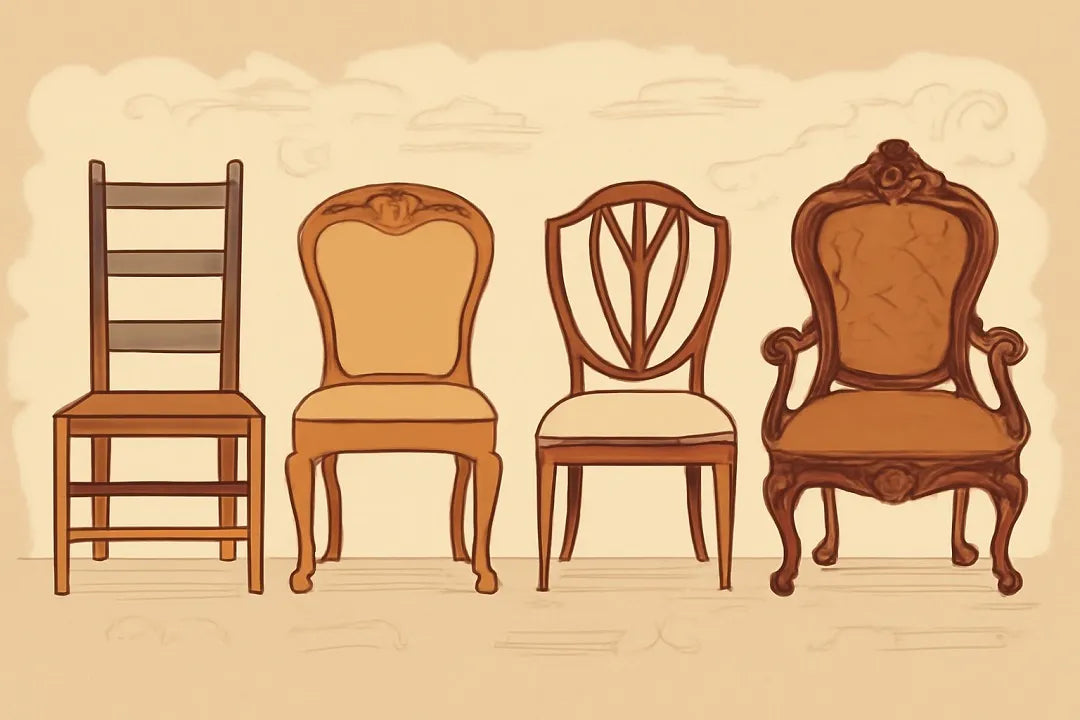
When people talk about chairs, they often jump straight to ergonomics, comfort, or office productivity. But for anyone in the office chair wholesale industry, retail buyers, government procurement teams, corporate facility planners, interior designers, and fit-out contractors, understanding style history is just as important.
Many of today’s modern office chairs—from executive mesh models to upholstered task seating—trace their design DNA back to antique chairs from centuries ago. These historical forms influence not only how chairs look today, but also how buyers perceive quality, craftsmanship, and value.
This article dives into the history and origins of antique chairs from a style-based perspective, and explains how these early design movements still shape the office seating trends, specification guidelines, and workspace aesthetics that professionals rely on today.
1. Where It All Began: Early Chair Designs and Their Symbolic Style
In the earliest civilizations—Egypt, Greece, and Rome—chairs were not everyday objects. They were symbols of status, ceremony, and authority. These early chairs featured strong visual elements:
- geometric silhouettes
- animal-inspired legs
- carved armrests
- bold, symmetrical proportions
These weren’t “for comfort” chairs. They were style statements.
Today, when buyers look at executive office chairs, especially those with dominant silhouettes, tall backs, or leather surfaces, they’re still responding to this ancient idea of authority in design.
2. From Renaissance Elegance to 18th-Century Refinement
As craftsmanship evolved through the Renaissance, chairs became more accessible—and more visually expressive. Woodworkers experimented with curves, scrolls, inlays, and textiles.
This is where we see the birth of styles that still influence office seating today:
Baroque Chairs
Bold curves, rich textures, luxurious presence.
→ Today’s parallel: executive office chairs with wide frames and plush cushioning.
Queen Anne & Chippendale
Graceful curves, cabriole legs, balanced proportions.
→ Modern inspiration: soft contours, ergonomic natural curves, gently tapered shapes.
For wholesalers and designers, these historic styles show why some buyers prefer subtle lines while others prefer dominance and visual weight. Understanding this helps you recommend products more precisely.
3. Industrial Revolution: Where Function Begins to Shape Style
The Industrial Revolution changed chairs forever. Mass production created new forms—lighter, more functional, more mobile. This era introduced:
- the first swivel chairs
- the first wheeled chairs
- adjustable seats
- bentwood designs
This is the true beginning of the office chair evolution. Even today, many procurement teams and workplace designers look for chairs that combine:
- mobility
- adjustability
- practicality
- streamlined silhouettes
The modern task chair is, stylistically speaking, a direct descendant of this era’s “function-first” design language.
4. Artistic Movements That Still Influence Modern Office Chair Styles
From the late 19th to mid-20th century, chair design entered its most creative period. Several movements still shape office chair trends today:
Art Nouveau
Organic curves, flowing lines, plant-like shapes.
→ Inspired today’s office chairs with sculpted backrests and fluid profiles.
Art Deco
Strong geometry, symmetry, luxury materials.
→ Modern reflections: sleek aluminum frames, bold lines, premium finishes.
Bauhaus & Mid-Century Modern
Minimalism, function over decoration, clean silhouettes.
→ The foundation for today’s mesh task chairs, cantilever chairs, and executive minimalist office furniture.
5. Why Antique Chair History Matters to Today’s Office Chair Buyers
Understanding style origins is more than a history lesson—it’s a way to guide clients and close deals.
✔ 1. It helps justify quality and pricing
✔ 2. It strengthens design presentations
✔ 3. It helps wholesalers position collections
✔ 4. It supports government and enterprise procurement decisions
6. How Antique Chair Aesthetics Influence Today’s Office Trends
Here are the most current, style-driven trends shaped by antique inspirations:
- Heritage Modern Workspaces
- Executive Chairs with Classic Silhouettes
- Industrial-Inspired Office Seating
- Mid-Century Minimalism
- Soft-Curved Designer Task Chairs
Final Thoughts
The history and origins of antique chairs are more than a nostalgic journey—they are a roadmap that explains why modern office chairs look and feel the way they do. Whether you're a wholesaler, retailer, government procurement officer, enterprise buyer, designer, or renovation specialist, understanding chair design heritage helps you guide clients, build stronger collections, and speak more convincingly about style and value.
From the ceremonial thrones of ancient civilizations to the ergonomic task chairs in today’s workspaces, every era has contributed something important to the style language of seating. And as office environments evolve, one thing remains unchanged: great chair design is always rooted in history, shaped by craftsmanship, and refined by modern needs.
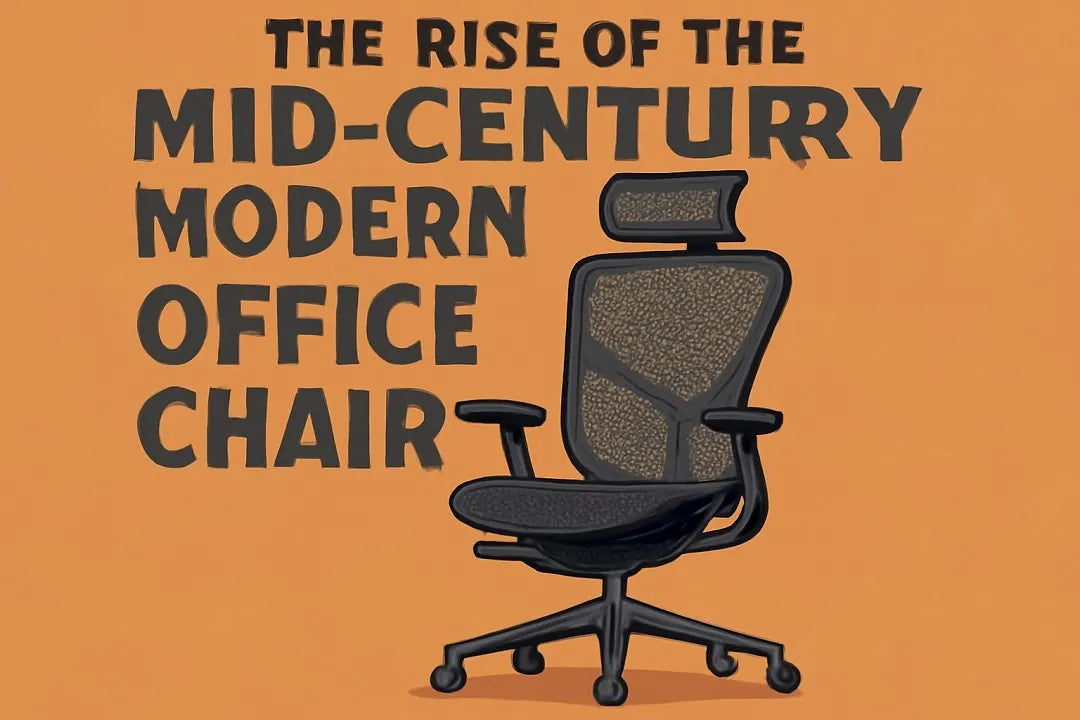
Read more: The Rise of the Mid-Century Modern Office Chair
FAQs
1. Why should wholesalers and procurement teams care about antique chair styles?
Because style heritage influences buyer expectations. Understanding historical design cues helps you match clients with chairs that align with their preferred aesthetic and perceived value.
2. Do modern office chairs really borrow from antique designs?
Yes. Executive silhouettes, curved profiles, slim minimalist frames, and even ergonomic structures all trace back to earlier design eras.
3. How does antique design knowledge improve office chair sales?
It allows sales teams to communicate design logic, justify pricing, and position collections based on style lineage—something corporate and government buyers appreciate.
4. What historical era influences today’s bestselling office chairs the most?
Mid-century modern and Bauhaus dominate today’s commercial office seating trends due to their minimalism, ergonomic focus, and clean lines.
5. Can design heritage help interior designers and contractors?
Absolutely. Linking chair selections to historical design narratives elevates presentations and strengthens the aesthetic logic of a workspace design proposal.

Leave a comment
All comments are moderated before being published.
This site is protected by hCaptcha and the hCaptcha Privacy Policy and Terms of Service apply.