
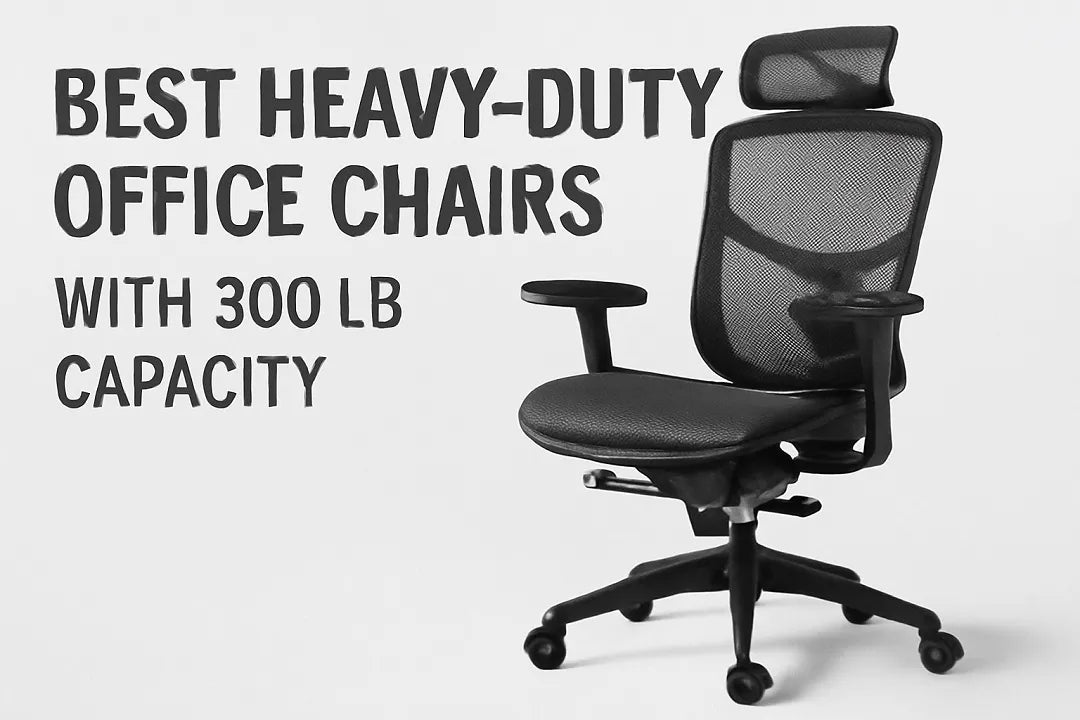
When evaluating heavy-duty office chairs rated for 300 lb capacity, most buyers focus on style, comfort, or price. But from an engineering standpoint, weight capacity is a calculated result — not a marketing label. Every component, from the mesh tension to the gas lift cylinder, works as a unified mechanical system designed to withstand repeated loading cycles, impact forces, and long-term structural fatigue.
Understanding how a 300 lb chair is engineered can significantly improve purchasing decisions. A truly well-designed heavy-duty chair is not only stronger — it preserves long-term stability, ergonomic comfort, and essential safety standards through years of continuous use.
Below, we break down the best heavy-duty office chairs with 300 lb capacity, but this time through the lens of an engineer: materials, structural design, load distribution, component durability, and mechanical performance.
How Define a “300 lb Capacity” Office Chair
A chair rated for 300 lbs goes through mechanical load simulation, fatigue testing, drop tests, and BIFMA structural requirements.
From an engineering perspective, a true 300 lb chair must meet ALL of these criteria:
1. Static Load Capacity
The frame must withstand 300 lbs of direct downward force without deformation.
2. Dynamic / Fatigue Load
Repeated loading cycles (20,000–100,000 cycles depending on test standards) ensure the chair holds up over time.
3. Gas Lift Burst Pressure
A Class 3 or Class 4 gas lift must sustain high internal PSI without leaking or exploding during sudden movement.
4. Base Compression Strength
The nylon, steel, or aluminum chair base must handle 1136 kg static pressure (a BIFMA reference value).
5. Castor Loading Stability
Each wheel undergoes rolling and impact tests to maintain mobility under full load.
When all components meet these thresholds, the result is a structurally stable, heavy-duty office chair that safely supports 300 lbs day after day.
Why Heavy-Duty Chairs Matter in Modern Workspaces
From an engineering standpoint, increasing weight capacity isn’t simply about stronger materials—it improves:
- Structural lifespan
- Stress distribution
- Resistance to instability or tipping
- Safety under long-term cyclic loading
This makes 300 lb office chairs ideal for:
- Corporate offices
- IT companies & tech hubs
- Government facilities
- Call centers
- Co-working spaces
- Interior furnishing projects
Engineering Features That Define a True 300 lb Heavy-Duty Office Chair
Here’s what engineers examine when designing or evaluating a 300 lb office chair:
1. Reinforced Structural Frame
A heavy-duty chair must distribute force efficiently. Engineers typically design:
- High-tension mesh frames
- Thickened PA or fiberglass-reinforced structures
- Steel support brackets
- Aluminum-alloy load-bearing components
The load is transferred from the seat → mechanism → gas lift → chair base → ground.
If any part is weak, the chair fails.
2. Synchronous Tilt Mechanism
Mechanisms in 300 lb chairs use:
- Hardened steel tilt plates
- High-grade pivot shafts
- Reinforced springs
- Multi-level locking teeth
A synchronous mechanism (1:2 back-to-seat angle) reduces sudden stress on the user’s spine and on the chair’s mechanical structure.
3. Class 3 or Class 4 Gas Lift
From an engineering view, the gas lift is the highest-risk component in a chair. Heavy-duty chairs require:
- Thicker cylinder walls
- Higher nitrogen pressure tolerance
- SGS/BIFMA-certified burst testing
This ensures stability even under sudden loading (sitting down quickly).
4. Multi-Layer Seat Cushion or Elastic Mesh Seat
Seats must prevent permanent compression deformation.
Engineers prefer:
- Molded foam (50–60D density)
- Elastic mesh with high tension recovery
- Wide seat plates for structural support
This provides durability while maintaining ergonomic comfort.
5. Reinforced Base & BIFMA-Grade Castors
A 300 lb rated chair base must handle over 1,000 kg in industry-standard compression tests.
Materials typically used:
- 340# reinforced nylon
- Aluminum alloy base
- Steel base (heaviest but strongest)
Castors undergo abrasion, drop, and rolling fatigue tests to ensure smooth mobility under load.
Best Heavy-Duty Office Chair Categories (Engineer's Selection – 2025)
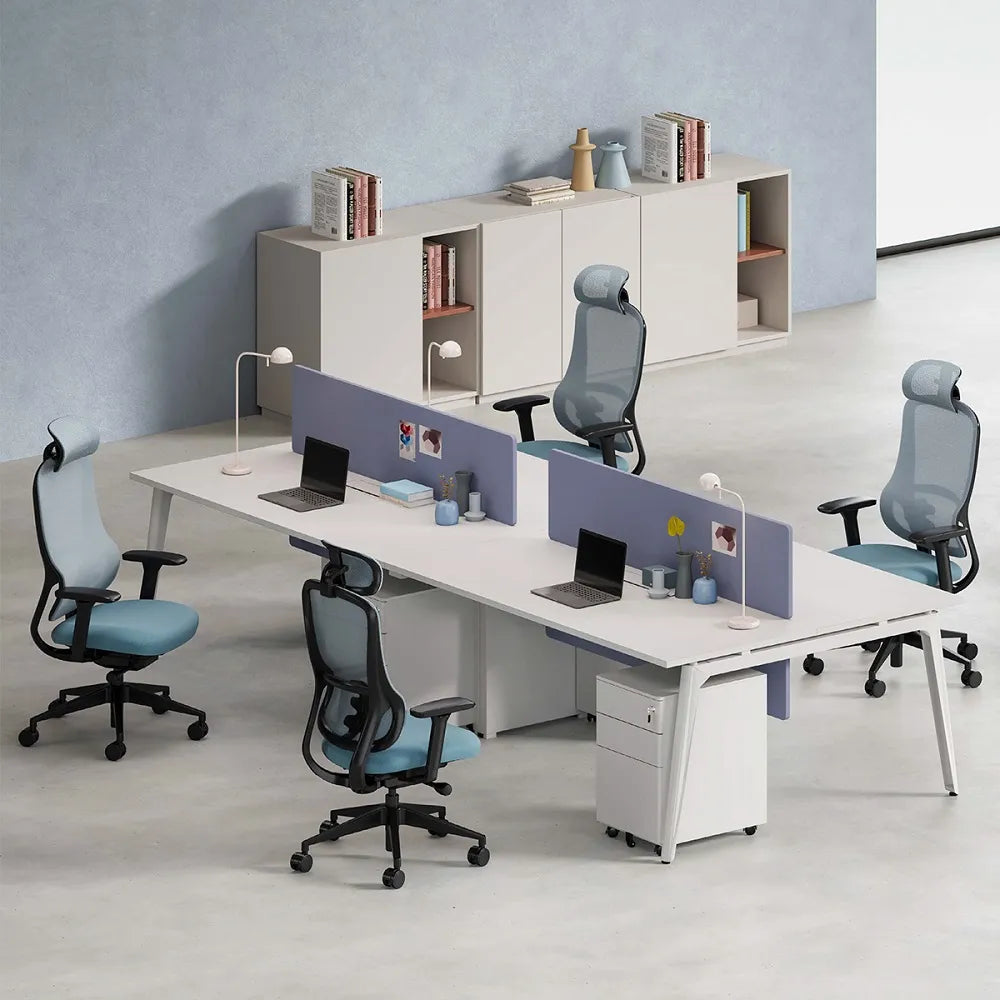
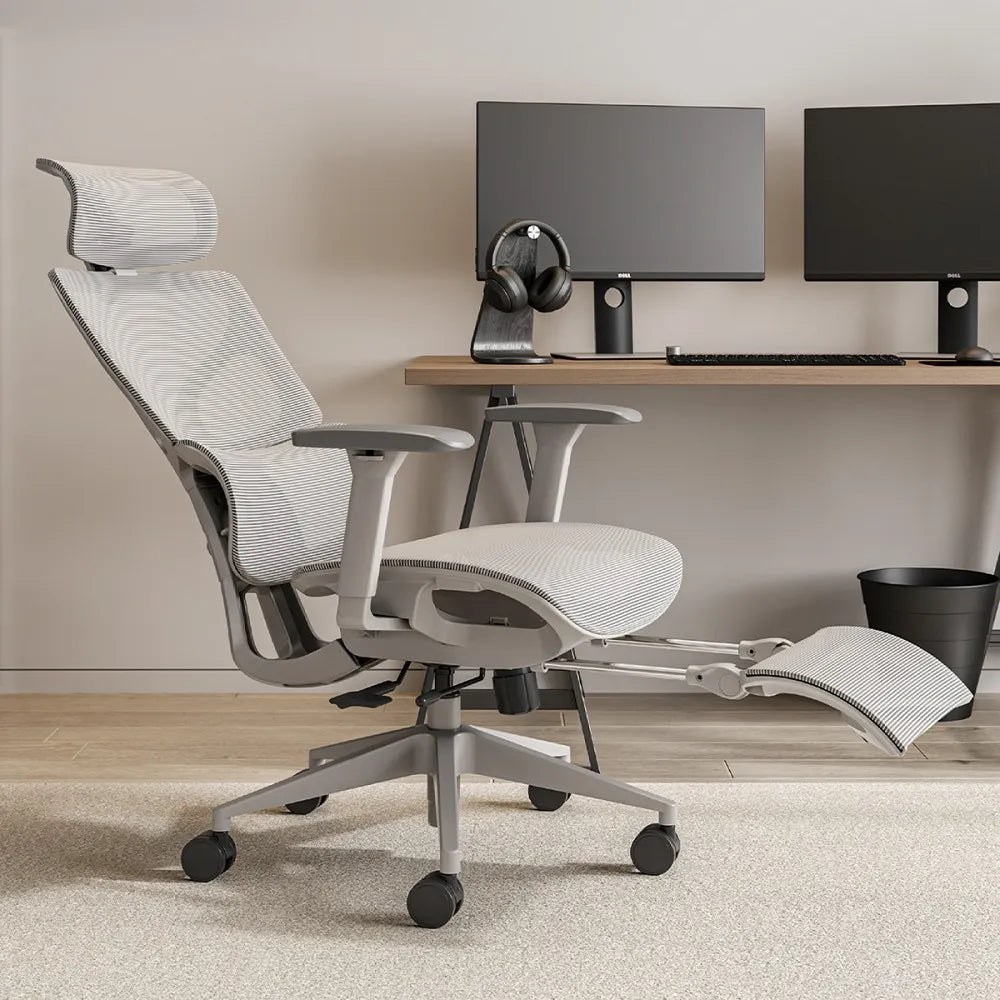
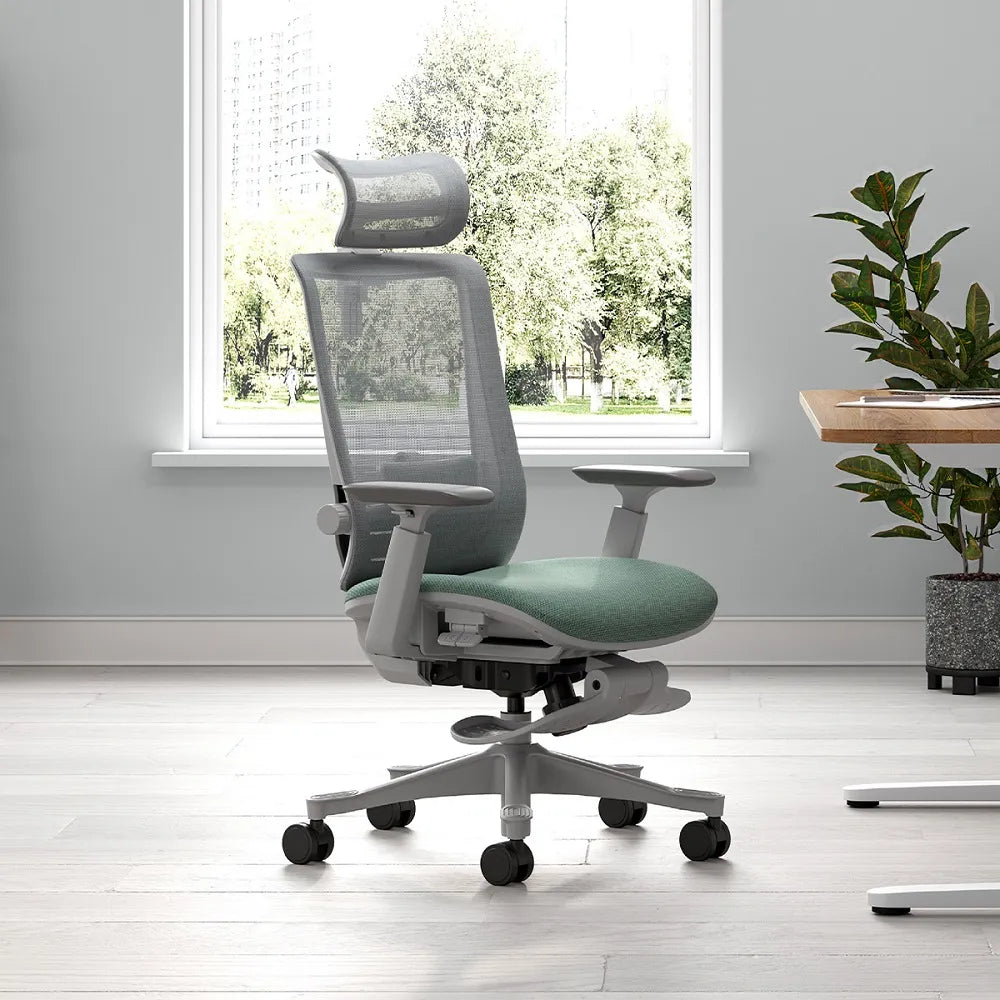
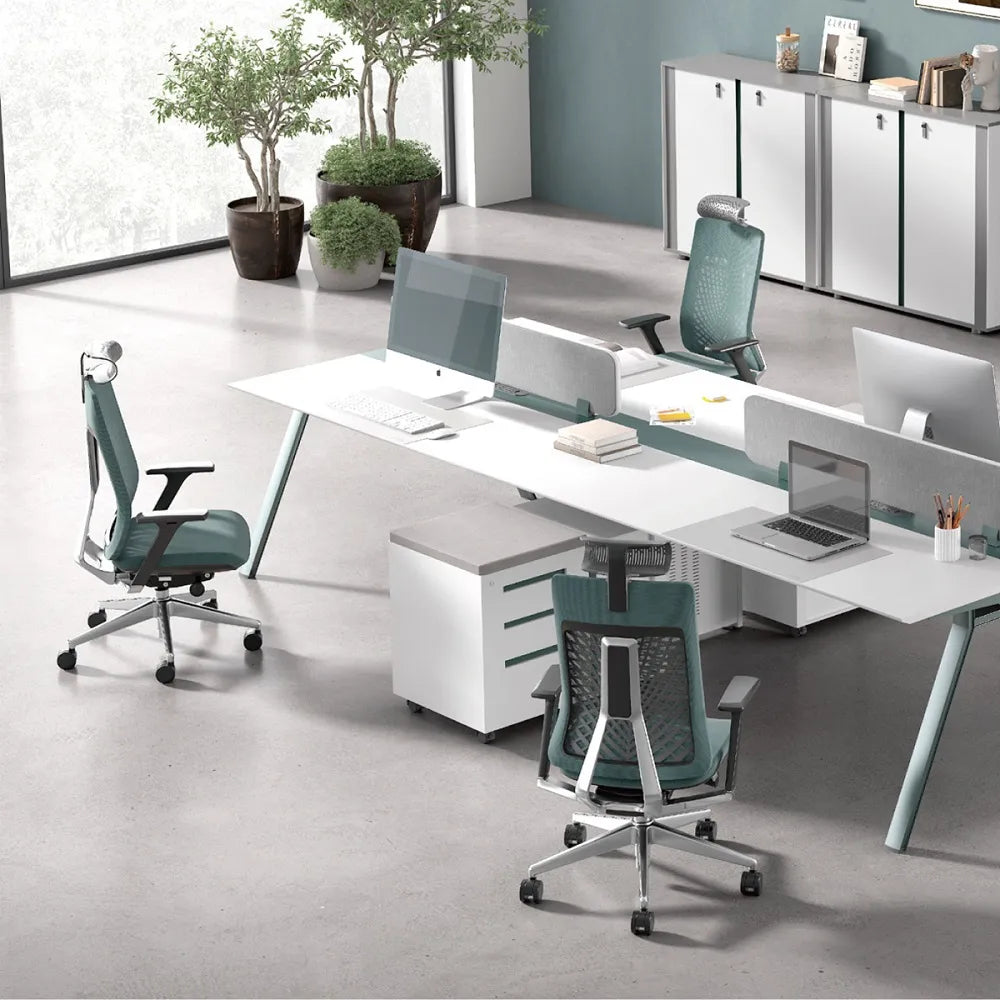
1. Heavy-Duty Mesh Task Chairs (300 lb Capacity)
Most efficient load-bearing structure
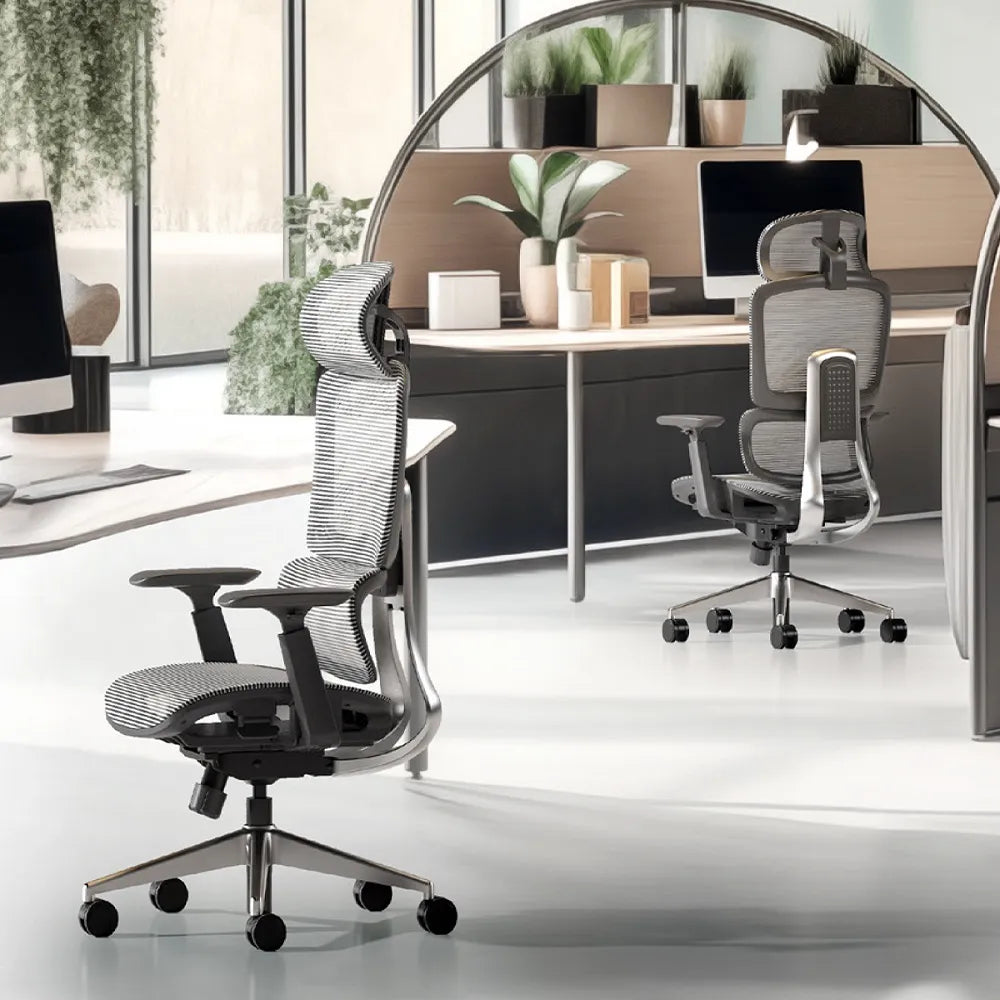
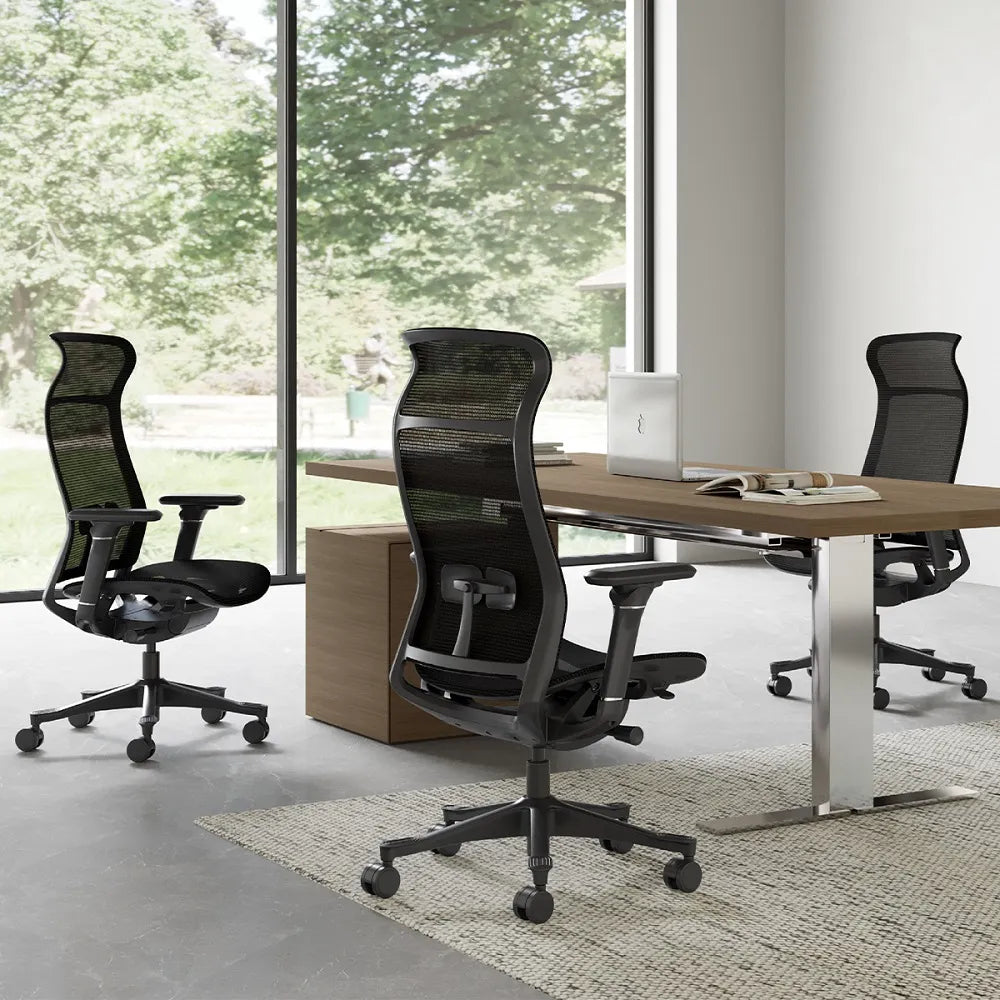
Mesh chairs are engineered using tension-balanced designs. The mesh acts like a suspension system:
- Distributing upper body load
- Reducing seat foam compression
- Increasing long-term structural resilience
Engineers love mesh because it allows flexible load dispersion rather than resisting weight with bulk padding.
Why this category performs well:
- Strong back frame support
- High airflow (lower heat retention)
- Excellent long-term deformation resistance
- Attractive for corporate bulk orders
2. Executive Heavy-Duty Chairs (Leather/PU, 300 lb Capacity)
Best for visual aesthetics + performance
These models use:
- High-strength steel plates
- Extra-wide seat cushions
- Multi-layer foam engineering
- Heavy-duty base assemblies
Ideal for:
- Boardrooms
- CEO offices
- High-end corporate environments
3. Big & Tall Heavy-Duty Chairs (Designed for 300–350 lbs)
Optimized for user diversity
Engineers increase:
- Seat width
- Gas lift thickness
- Base reinforcement
- Cushion density
- Armrest bracket strength
4. Hybrid Mesh + Cushion Chairs (Ultimate Balance for Long Use)
Engineered for 8–12 hour daily sitting
These chairs combine:
- Mesh load distribution
- Cushioned ergonomic comfort
- Reinforced seat plates
- Multi-axis adjustable arms
How to Select a Heavy-Duty 300 lb Chair (Engineer’s Checklist)
If you’re a wholesaler, retailer, or procurement engineer, use this checklist:
1. Confirm Material Strength
Look for:
- Fiberglass-reinforced nylon
- Aluminum alloy
- Steel brackets
- High-resilience molded foam
2. Inspect the Mechanism Type
For a 300 lb chair, synchronous is recommended over single-tilt. It distributes force more safely.
3. Check Gas Lift Certification
Must be:
- Class 3 or Class 4
- SGS/BIFMA compliant
4. Look at Base Strength
Avoid thin bases. Reinforced nylon or aluminum is ideal.
5. Evaluate Mesh or Foam Quality
Poor seat materials cause early failures.
6. Check the Structural Warranty
Longer warranties indicate higher engineering confidence.
Final Thoughts: Engineering Determines Whether a 300 lb Chair Is Truly Heavy-Duty
A “300 lb capacity” label doesn’t guarantee safety or durability. Only engineering does.
A true heavy-duty office chair must demonstrate:
- Proper load-bearing structure
- High-tension materials
- Certified mechanisms
- Reinforced base construction
- Long-term fatigue resistance
Understanding the engineering behind the product allows you to choose chairs that perform reliably in real-world environments — reducing failures, lowering warranty costs, and increasing customer satisfaction.
If you’re sourcing for wholesale, retail, or project procurement, always look for chairs engineered—not just marketed—to handle 300 lbs safely and comfortably.
Read more: The Rise of the Mid-Century Modern Office Chair
FAQs: Heavy-Duty 300 lb Office Chairs
1. Are all 300 lb office chairs tested using the same standards?
No. Many manufacturers claim “300 lb capacity,” but only chairs tested under BIFMA or equivalent standards guarantee real structural reliability. Always look for certifications, not marketing terms.
2. How long does a heavy-duty chair typically last under daily 300 lb use?
A properly engineered chair can last 5–10 years depending on materials, the mechanism type, and daily usage intensity. Mesh and molded foam usually show the longest stability in fatigue testing.
3. Do heavy-duty chairs require a stronger gas lift?
Yes. Chairs supporting 300 lbs should use a Class 3 or Class 4 gas lift with verified burst-pressure testing. This component is a critical safety point.
4. What is the biggest failure point in non-certified heavy-duty chairs?
Common failure points include the base cracking under compression, mechanism plate deformation, and gas lift leaks. These failures typically occur when components are not engineered for real 300 lb dynamic loads.
5. Are mesh chairs strong enough for 300 lb users?
Yes, high-quality mesh chairs are excellent for heavy-duty applications because mesh distributes load evenly across the back frame, reducing concentrated stress points. The key is using reinforced frames and high-tension mesh.


Leave a comment
All comments are moderated before being published.
This site is protected by hCaptcha and the hCaptcha Privacy Policy and Terms of Service apply.